
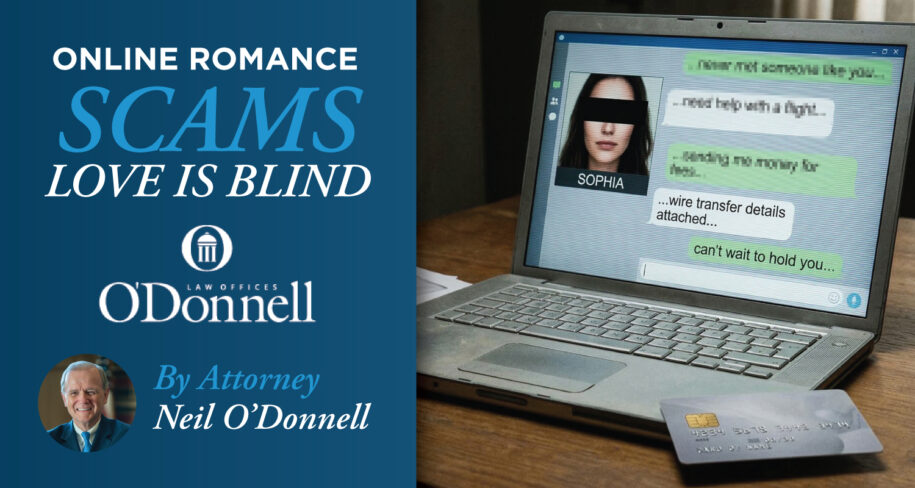
Fraudsters have existed since time immemorial. One of the more recent time-tested forms of this deceit are romance scams. The scammer tricks the victim into surrendering their affection, and, over prolonged periods of time, uses that endearment to obtain money through false pretenses. These scams have been occurring for centuries, but the advent of the internet, and recently artificial intelligence, have made their stories more compelling. In a recent case, a Michigan man lost $3,000 to someone impersonating Jennifer Aniston.1
Such events are not one-off occurrences, but part of an underground multi-billion dollar industry. Scam centers from countries such as India and Columbia hire employees, sometimes human trafficking victims, to carry out various aspects of the often prolonged scam. The industry obtained an estimated $1.16 billion within nine months in 2025 alone. Oftentimes these companies will lure victims through text or phone calls to build rapport. Once the relationship is established, they create a persona through actors or generative AI and trick victims so that they fall in love.
The scammer will begin to collect money once the connection is established. Up until recently this was done by having the victim send numerous gift cards, but companies have recently enacted increased protection to combat this method. Fraudsters compensate by having the victim learn how to transfer cryptocurrency, or they may resort to plain-old credit card theft.
How to Protect Yourself from Internet Romance Scams
Some important information to protect yourself. Scammers will eye potential victims of all ages, young or old, so long as there is money to steal. Be wary of unknown online presences which personally contact you and ask for your financial aid. Be wary if the individual says they cannot meet in person. Never send money to people you only communicate to through the internet or messaging services. Lastly, be careful of what information about yourself you post online because scammers use these intimate details to find their targets.
Footnote
1 Mark Twain, Chapters From my Autobiography – IX, 184 The North American Review 1, 12 (January, 1907).
About the Author
Neil T. O’Donnell is an attorney at O’Donnell Law Offices with decades of experience representing individuals and families throughout Northeastern Pennsylvania. Throughout his career, Neil has built a reputation for strong advocacy and a commitment to helping people navigate complex legal issues.
At O’Donnell Law Offices, he focuses on protecting the rights of individuals who have been harmed by the negligence or misconduct of others. Neil and the team at the firm are dedicated to providing thoughtful legal guidance and pursuing the best possible outcomes for their clients.